Easy Pest Control Tips For A Bug-Free Home
Pest control is a critical aspect of maintaining a healthy and safe living environment. Whether in residential homes or commercial establishments, pests such as rodents, insects, and other unwanted creatures can pose significant health risks and cause property damage. Understanding the importance of effective pest management not only helps in preserving the integrity of our spaces but also contributes to overall public health and well-being.
In this article, we will explore various pest control methods, ranging from traditional techniques to modern, eco-friendly solutions. We’ll discuss how to identify common pests, the potential risks they pose, and the best practices for prevention and eradication. By equipping ourselves with the right knowledge and tools, we can effectively combat infestations and create environments that are both pest-free and conducive to health and happiness.
Common Pest Management Techniques
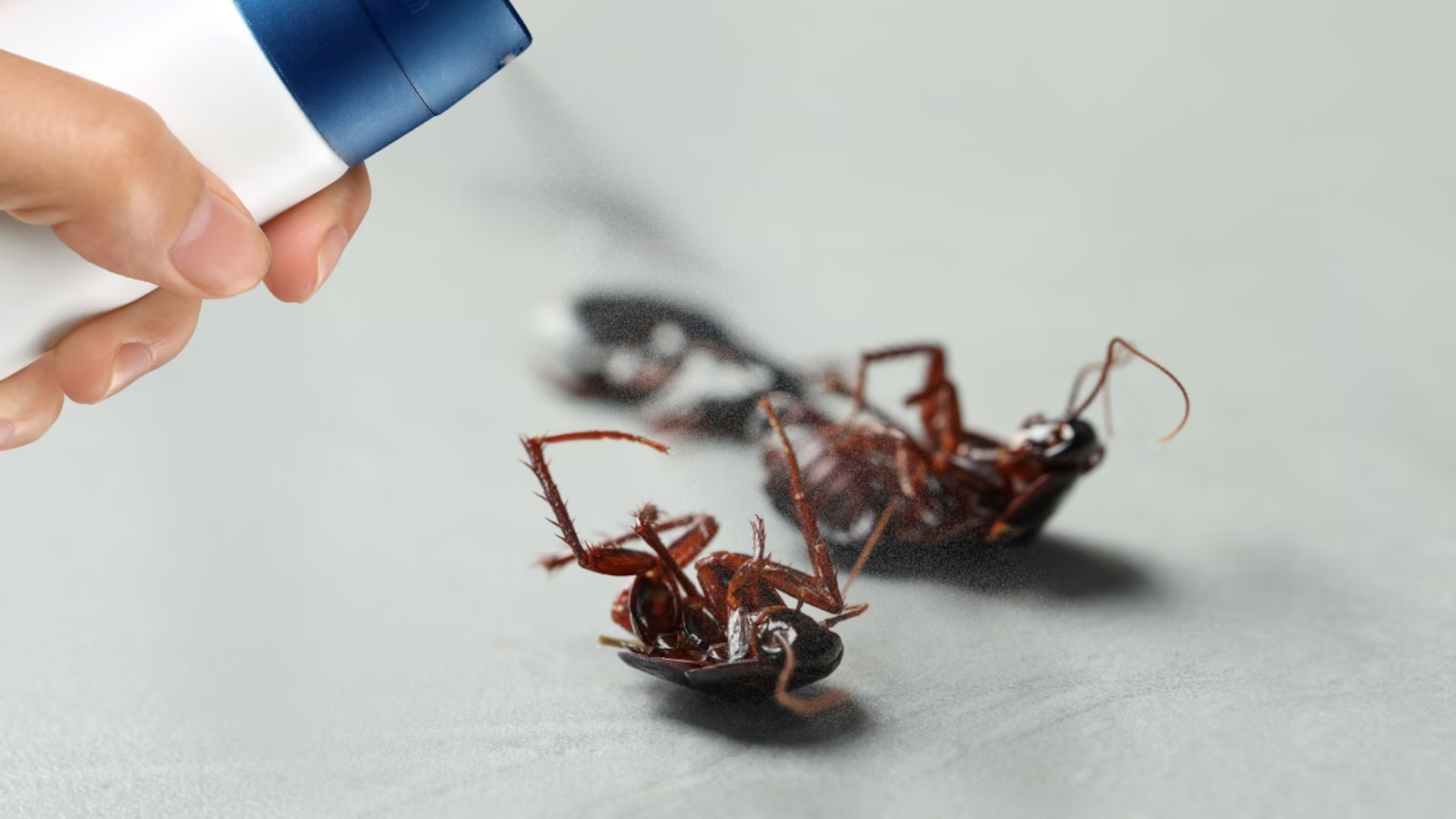
Various pest control methods exist to address infestations effectively. Traditional approaches include mechanical traps, baits, and insecticides, which have been used for decades to manage rodent and insect populations. On the other hand, modern solutions often emphasize eco-friendliness, utilizing natural predators, biopesticides, or habitat modification to prevent pests from invading. Education and vigilance are also crucial; knowing how to identify signs of infestations early can significantly enhance the effectiveness of these methods, ensuring a swift response. For those seeking to implement comprehensive pest control strategies, consulting professionals can provide tailored solutions, ensuring the safety and efficacy of treatments. For reliable assistance, consider exploring Safe pest control options in your area.
Preventive Measures for a Pest-Free Environment
Prevention plays a vital role in pest management, as it is often more cost-effective and less disruptive than dealing with established infestations. Simple steps like sealing cracks and openings in buildings, maintaining cleanliness, and properly storing food can significantly deter pests from taking residence. Regular inspections can uncover hidden vulnerabilities, which, when addressed promptly, can prevent larger outbreaks. Also, employing landscaping practices that minimize pest attraction, such as choosing plants that repel insects, can further contribute to a pest-free environment. By taking proactive measures, individuals and businesses alike can make significant strides in safeguarding their spaces against unwanted pests.
Ultimately, successful pest control hinges on a combination of knowledge, vigilance, and proactive measures. By integrating traditional and modern techniques, staying informed about potential threats, and implementing preventive strategies, we can effectively manage pests before they become a serious issue. Building a pest-free environment is not just about reactive solutions; it’s about fostering a culture of awareness and responsibility towards our surroundings. Whether through DIY efforts or professional interventions, we all play a crucial role in creating and maintaining spaces that are safe and healthy, benefiting not only ourselves but our communities as a whole. Adopting these practices will empower us to live harmoniously with our environment, minimizing the impact of pests while maximizing our quality of life.