
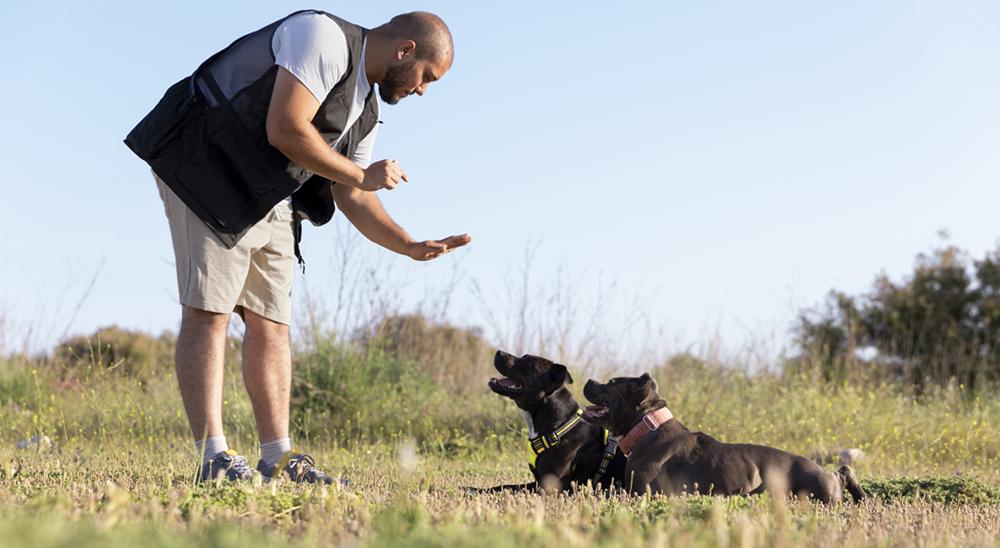
Easy Aggression Training Tips For A Balanced Dog
Aggression training is a specialized approach designed to channel and manage aggressive tendencies in individuals, whether in the context of sports, competitive environments, or personal development. The process involves a combination of psychological techniques, physical conditioning, and strategic skill-building aimed at fostering positive outcomes from aggressive behavior. By understanding the underlying factors that contribute to aggression, practitioners can help individuals harness their energy constructively, ultimately transforming raw intensity into a powerful tool for achieving goals.
In recent years, aggression training has gained traction across various fields, including martial arts, team sports, and even the corporate world, where competitive edge is paramount. This article explores the principles and methodologies behind aggression training, highlighting its benefits, applications, and the vital role it plays in personal growth and performance enhancement. Whether you’re an athlete aiming to elevate your game or someone seeking to navigate life’s challenges with greater assertiveness, understanding aggression training can provide valuable insights and practical strategies for success.
Principles of Aggression Training
Aggression training operates on the foundational principle that aggressive behavior, when properly harnessed, can lead to heightened focus, resilience, and improved performance. It involves understanding emotional triggers and developing techniques to regulate one’s responses. Participants are taught to differentiate between destructive aggression, which results in negative outcomes, and constructive aggression, which can drive competition and personal achievements. Techniques such as visualization, mindfulness, and controlled aggression drills are employed to cultivate this mindset, enabling individuals to respond to challenges with confidence and poise.
Applications Beyond Sports
While aggression training is widely recognized in sports contexts, its applications extend into areas such as corporate leadership and personal development. In high-stakes environments, the ability to assert oneself effectively can lead to better decision-making and conflict resolution. Programs focusing on aggression management, like Agressietraining, equip individuals with the skills necessary to channel their intense emotions into productive actions. By fostering self-awareness and emotional intelligence, aggression training helps participants not only to thrive in competitive settings but also to improve interpersonal relationships and enhance overall well-being.
In conclusion, aggression training serves as a transformative tool that empowers individuals to redirect their inherent competitive instincts into productive avenues, fostering both personal and professional growth. By equipping participants with strategies to recognize and harness their aggressive tendencies, this training promotes emotional regulation and self-awareness, ultimately enhancing performance in diverse environments. From the sports arena to corporate boardrooms, the principles of aggression training underscore the importance of constructive aggression in achieving success and resolution. As individuals learn to balance intensity with focus and poise, they not only elevate their own capabilities but also contribute positively to their teams and communities, demonstrating that harnessed aggression can indeed be a catalyst for achievement and personal fulfillment.