Embarking on a journey into the realm of spellcasting can be both exciting and daunting, especially for beginners. Whether you’re drawn to the mystical arts for personal empowerment, spiritual exploration, or simply out of curiosity, having the right tools can greatly enhance your experience. One of the most accessible ways to get started is by utilizing spell kits, which often come equipped with all the essentials needed for effective spellwork. Spell kits are designed to simplify the process, providing novices with both the materials and guidance necessary to perform their first spells with confidence. From candles and herbs to crystals and incantations, these kits offer a curated selection of items tailored for various intentions, such as love, protection, or abundance. In this article, we’ll explore the benefits of using spell kits, what to look for when choosing one, and some beginner-friendly spells you can try to kickstart your magical journey. Understanding Spell Kits Spell kits serve as the perfect entry point for those new to spellcasting, providing both structure and creativity. They typically include essential items like candles, herbs, crystals, and detailed instructions, allowing beginners to focus on the process of casting rather than gathering materials. The kits are often centered around specific themes or intentions, making it easier to align your magic with your personal goals. By using a pre-packaged kit, you can avoid the overwhelming experience of selecting the right components, thus making the journey into the mystical arts much more approachable. For those eager to dive in, exploring spell kits for beginners can lead to an enriching experience filled with empowerment and connection. Choosing the Right Kit When selecting a spell kit, consider what intentions resonate most with you. Kits focused on love spells often include rose petals and romantic candles, while those aimed at protection may incorporate salt and black tourmaline. Additionally, look for kits that come with clear instructions and suggestions for personalization; being able to infuse your own energy and intentions can enhance the outcomes significantly. By understanding your desires and needs, you can find a kit that not only simplifies your practice but also deepens your connection to the magical elements at play. As you begin your spellcasting journey, remember that the most important aspect is your intention and belief in the process. Spell kits provide a wonderful foundation, offering the necessary tools and guidance to help you manifest your desires and explore the depths of your own power. Embrace the opportunity to experiment and grow; the journey of learning what works for you is as meaningful as the spells themselves. Feel free to add your personal touches to each spell, allowing your unique energy to flow into the practice. Overall, spell kits for beginners not only ease the initial complexities of spellwork but also empower you to forge a personal connection with magic, fostering a sense of confidence and curiosity that can enrich your life in countless ways.
Read More
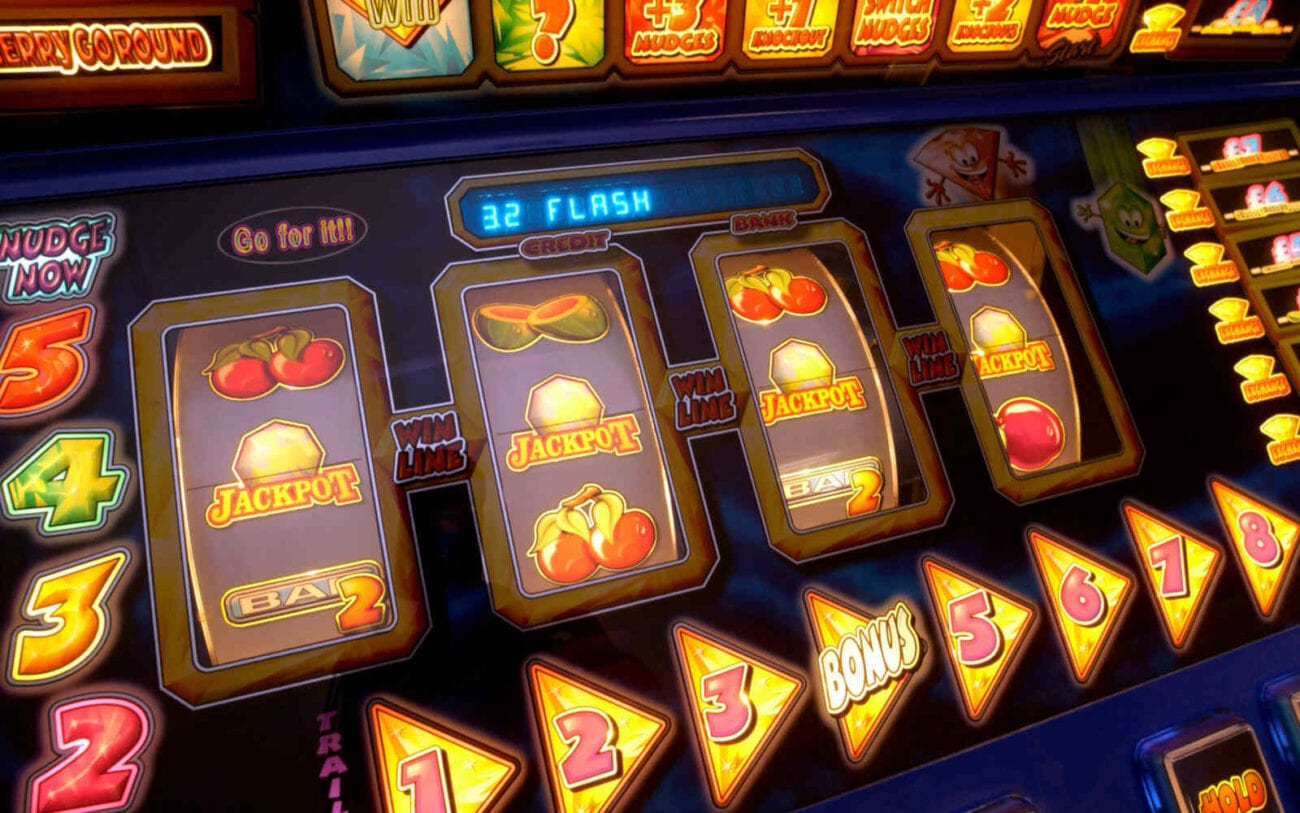
If you are a beginner in the world of slot games, it is essential to understand the etiquettes and rules of playing. สล็อตpg เว็บตรง games are an excellent way to have fun and try your luck. But, it is essential to follow some dos and don’ts while playing to ensure a positive experience. In this article, we will discuss some of the most crucial dos and don’ts of playing PG Slot games.

Dos:
- Do understand the rules: Before playing PG Slot games, make sure to read and understand the rules of the game. Each game has its own set of rules and regulations, and it is crucial to know them before placing your bets.
- Do set a budget: One of the most crucial things to do before playing PG Slot games is to set a budget. Determine the amount of money you are willing to spend and stick to it. This will help you avoid overspending and regretting later.
- Do start with small bets: If you are new to PG Slot games, it is advisable to start with small bets. This will help you get familiar with the game without risking a lot of money.
- Do take breaks: It is essential to take breaks while playing PG Slot games. This will help you refresh your mind and avoid making hasty decisions. Taking breaks also allows you to enjoy the game without getting too involved.
- Do be respectful: When playing PG Slot games, it is crucial to be respectful to other players and the dealer. Avoid using foul language or showing unsportsmanlike behavior.
- Do keep your emotions in check: Slot games can be exciting and intense, but it is important to keep your emotions in check. Do not get too excited or too frustrated, as this can cloud your judgment and lead to poor decision-making.
Don’ts:
- Don’t chase losses: One of the biggest mistakes players make while playing PG Slot games is chasing losses. If you are on a losing streak, do not try to win back your money by placing more bets. This will only lead to more losses.
- Don’t drink too much: It is advisable to avoid drinking too much while playing PG Slot games. Alcohol can impair your judgment and lead to poor decision-making.
- Don’t play with borrowed money: Never play PG Slot games with borrowed money. This can lead to financial problems and cause stress and anxiety.
- Don’t hog the machine: When playing PG Slot games, it is essential to be considerate of other players. Avoid hogging the machine and taking too much time to make your decisions.
- Don’t blame others: If you are on a losing streak, avoid blaming others for your losses. Take responsibility for your decisions and learn from your mistakes.
- Don’t gamble with your winnings: If you have won a significant amount of money, do not gamble with it. Set it aside and use it for something else.
Conclusion:
Playing PG Slot games can be a lot of fun if you follow the dos and don’ts discussed above. It is important to understand the rules of the game, set a budget, and be respectful to other players and the dealer. Avoid chasing losses, drinking too much, and playing with borrowed money. By following these etiquettes, you can enjoy the game and increase your chances of winning.