
Embarking on a journey into the realm of spellcasting can be both exciting and daunting, especially for beginners. Whether you’re drawn to the mystical arts for personal empowerment, spiritual exploration, or simply out of curiosity, having the right tools can greatly enhance your experience. One of the most accessible ways to get started is by utilizing spell kits, which often come equipped with all the essentials needed for effective spellwork. Spell kits are designed to simplify the process, providing novices with both the materials and guidance necessary to perform their first spells with confidence. From candles and herbs to crystals and incantations, these kits offer a curated selection of items tailored for various intentions, such as love, protection, or abundance. In this article, we’ll explore the benefits of using spell kits, what to look for when choosing one, and some beginner-friendly spells you can try to kickstart your magical journey. Understanding Spell Kits Spell kits serve as the perfect entry point for those new to spellcasting, providing both structure and creativity. They typically include essential items like candles, herbs, crystals, and detailed instructions, allowing beginners to focus on the process of casting rather than gathering materials. The kits are often centered around specific themes or intentions, making it easier to align your magic with your personal goals. By using a pre-packaged kit, you can avoid the overwhelming experience of selecting the right components, thus making the journey into the mystical arts much more approachable. For those eager to dive in, exploring spell kits for beginners can lead to an enriching experience filled with empowerment and connection. Choosing the Right Kit When selecting a spell kit, consider what intentions resonate most with you. Kits focused on love spells often include rose petals and romantic candles, while those aimed at protection may incorporate salt and black tourmaline. Additionally, look for kits that come with clear instructions and suggestions for personalization; being able to infuse your own energy and intentions can enhance the outcomes significantly. By understanding your desires and needs, you can find a kit that not only simplifies your practice but also deepens your connection to the magical elements at play. As you begin your spellcasting journey, remember that the most important aspect is your intention and belief in the process. Spell kits provide a wonderful foundation, offering the necessary tools and guidance to help you manifest your desires and explore the depths of your own power. Embrace the opportunity to experiment and grow; the journey of learning what works for you is as meaningful as the spells themselves. Feel free to add your personal touches to each spell, allowing your unique energy to flow into the practice. Overall, spell kits for beginners not only ease the initial complexities of spellwork but also empower you to forge a personal connection with magic, fostering a sense of confidence and curiosity that can enrich your life in countless ways.
Read More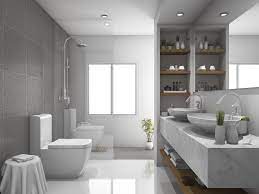
Green bathroom renovations are an eco-friendly approach to renovating your bathroom. These renovations are designed to reduce the impact of your bathroom on the environment while still providing you with a functional and aesthetically pleasing space. Green bathroom renovations can include a variety of changes, such as installing low-flow toilets and faucets, using non-toxic and sustainable materials, and incorporating energy-efficient lighting. We are planning to renovate a bathroom in our house to make it more modern and functional. By making these changes, you can reduce your water and energy consumption, decrease your carbon footprint, and create a healthier living environment.
As more and more people become environmentally conscious, sustainable and eco-friendly bathroom renovations are becoming increasingly popular. Not only are they better for the environment, but they can also help homeowners save money on their energy bills in the long run. In this article, we will discuss some of the best sustainable and eco-friendly solutions for your bathroom renovation.

Water-Saving Fixtures
One of the easiest ways to reduce your water consumption is by installing water-saving fixtures. Low-flow toilets, showerheads, and faucets are designed to use significantly less water than their traditional counterparts, without sacrificing performance. In fact, low-flow fixtures can reduce water usage by up to 60%, which can result in significant savings on your water bill.
Sustainable Materials
When it comes to selecting materials for your bathroom renovation, it’s important to choose sustainable options. For example, bamboo is a popular choice for flooring and cabinetry because it is a fast-growing, renewable resource. Recycled glass is also a great option for countertops and backsplashes, as it is made from post-consumer materials and is highly durable.
Energy-Efficient Lighting
Energy-efficient lighting is another way to reduce your carbon footprint and save money on your energy bills. LED lighting is the most energy-efficient option on the market, and it can last up to 25 times longer than traditional incandescent bulbs. Additionally, LED bulbs emit less heat, which can help keep your bathroom cooler in the summer months.
Green Cleaning Products
Traditional cleaning products can be harmful to both your health and the environment. Instead, opt for eco-friendly cleaning products that are made from natural ingredients and are free from harsh chemicals. Not only are they better for the environment, but they are also safer for your family and pets.
Ventilation
Proper ventilation is crucial in any bathroom, as it helps prevent mold and mildew growth. However, traditional ventilation systems can be energy-intensive and can lead to increased heating and cooling costs. Consider installing a solar-powered bathroom fan, which can help keep your bathroom cool and dry without using any electricity.
Rainwater Harvesting
Rainwater harvesting is a sustainable practice that involves collecting rainwater and storing it for later use. In a bathroom renovation, rainwater can be collected from the roof and used for flushing toilets or watering plants. While it does require an upfront investment, rainwater harvesting can help reduce your water bill and your reliance on municipal water sources.
Green Insulation
Proper insulation is crucial in any home, as it helps regulate indoor temperature and reduce energy consumption. When it comes to insulation for your bathroom renovation, consider using green insulation materials such as cellulose or recycled denim. These materials are made from recycled materials and are free from harmful chemicals.
Conclusion
Green bathroom renovations are a great way to reduce your environmental impact and save money on your energy bills. By incorporating water-saving fixtures, sustainable materials, energy-efficient lighting, green cleaning products, proper ventilation, rainwater harvesting, and green insulation, you can create a bathroom that is both beautiful and eco-friendly. Remember to always do your research and choose products that are certified as sustainable and eco-friendly to ensure that your renovation is truly green.